Information

Maaet the Aviator Ostrich
Maat
The
 Angelic Yaherra
Owner: Sekhmet
Age: 6 years, 3 months, 2 weeks
Born: June 1st, 2020
Adopted: 6 years, 3 months, 2 weeks ago
Adopted: June 1st, 2020
Statistics
- Level: 25
- Strength: 50
- Defense: 27
- Speed: 20
- Health: 15
- HP: 10/15
- Intelligence: 107
- Books Read: 58
- Food Eaten: 0
- Toys Played: 0
- Job: Acquisitions Lead
“Speak Ma’at, do Ma’at, for she is mighty.
She is great and endures.
Her value rests in the hands of those who use her.
Ma’at leads one to sacredness.” - The Egyptian Book of the Dead
Ma’at was the personification of the most basic laws of existence - she represented truth, justice, and natural order. It was believed that without her all of creation would perish, as Ma’at represented the order and stability of the universe. The ancient Egyptians thought that everything lived “by Ma’at, in Ma’at, and through Ma’at.” The gods themselves were constrained to “live by Ma’at.”
Ma’at was the patroness of judges, magistrates, and all court officials – “Prophet of Ma’at” was another term for judge. Courts were called the “Halls of Ma’at.” The gods themselves, acting as the judges of the divine tribunal, called themselves the “Council of Ma’at.”
In many New Kingdom tombs the pharaoh was pictured as offering the gods a small statue of Ma’at in his uplifted hands – the greatest treasure he possesses, that of cosmic truth and law. It was said that the gods "lived on" Ma'at, as if partaking of her as their food.
The Egyptian pharaohs portrayed themselves constantly as “Beloved of Ma’at,” upholders of the universal order. It was thought that all the daily rituals and sacrifices to the gods would be deemed meaningless unless the pharaoh and his people were living righteous lives. The ancient Egyptians had a strong sense of morality and justice - each person was duty bound to preserve and defend Ma'at. They felt that the good should prosper, and that the guilty would be punished. They praised those who defended the weak and the poor and placed a high value on loyalty, especially to one's family. Certain actions were clearly against Ma'at, as they increased the effect of chaos and had a purely negative effect on the world.
Personal amulets of Ma'at afforded their wearers protection from worldly injustice. In periods of anarchy and turmoil priests prayed: "Ma'at will return to her throne; evil will be driven away."
The Feast Day of Ma’at marked the appearance of the early morning rise of the constellation of Libra, with its emblem of the scales of judgment. Honey was thought of as the “taste of Ma’at,” or of truth itself. At Ma’at’s festivals, worshipers were said to eat honey and eggs and say to each other, “How sweet a thing is truth!” (Eggs represented eternal life.)
"Joining Ma’at" became a euphemism for dying. The Egyptians believed that on the Day of Judgment the deceased’s heart would be weighed on the scales of justice in Maaty ("The Hall of Two Truths,") balanced by the feather of Ma’at. The sacred ostrich feather of Ma’at was the symbol of truth.
Ma’at was thought to be the daughter of Ra, the wife of Thoth, and the mother of Amun.
Credits
❖ Story by Sekhmet with information from these sources
❖ Background photo from Hasmik Ghazaryan Olson
❖ Profile by Balloon
Pet Treasure

Ankh

Angelic Yaherra Beanbag

Ostrich Male Squishy Doll

White Long Feather

Raw Ostrich Egg

Honey

Libra Pendant
Pet Friends
Ra
Great Sun God
Nut
The Starry Sky

Geb
Goose of the Earth
Isis
Great of Magic

Osiris
God of the Underworld

Horus
Falcon of the Sun

Nephthys
Mourner of the Dead
Set
Great of Strength

Anubis
Jackal of Mummification

Sekhmet
Lioness of War
Bast
The Good and Peaceful Cat
Hathor
Cow of Gold

Khepri
Scarab Who Pushes the Sun
Bes
Little Lion God

Taweret
Hippo of Birth
Bennu
The Sacred Heron Who is Always Reborn
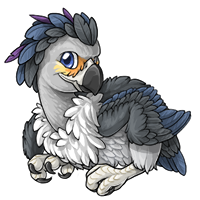
Khonsu
Child of the Moon

Wadjet
Devouring Flame

Khnum
The Potter Ram
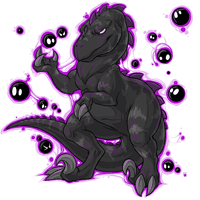
Apophis
Serpent of Darkness
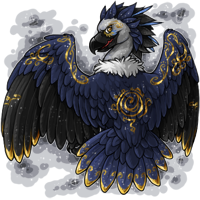
Thoth
The Ibis Scribe

Neith
Mother of the Gods

Maathes
Lion of Slaughter
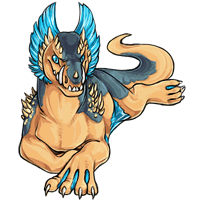
Sobek
Crocodile of the Nile
Mafdet
Executioner of the Gods
Ammit
The Great Devourer
Selket
Scorpion Goddess
Ptah
He Who Creates

Nekhbet
Vulture of Rebirth
Banebdjedet
The Great Ram
Amun
Lord of the Two Horns
Renenutet
Cobra of Nourishment

Tefnut
She Who is the Dew

Shu
God of Air

Apis
The Great Bull

Heket
Frog Midwife