Information

Apis the Tooro
Hathor
The
 Reborn Bovyne
Owner: Sekhmet
Age: 15 years, 5 months, 1 week
Born: April 5th, 2011
Adopted: 15 years, 5 months, 1 week ago
Adopted: April 5th, 2011

Pet Spotlight Winner
July 22nd
Statistics
- Level: 71
- Strength: 83
- Defense: 17
- Speed: 19
- Health: 21
- HP: 14/21
- Intelligence: 246
- Books Read: 188
- Food Eaten: 0
- Toys Played: 0
- Job: Floor Tuner
"She is the Golden One,
The Mistress of the Goddesses,
She who comes in peace to her seat.
What a feast it is to behold her!
How sweet it is to look at her!
How happy is he who bows down before her because he loves her!
Gods and men acclaim her, goddesses and women play the sistrum for her.
She is the Mistress, the Lady of Inebriety,
She of the music, she of the dance."
- Hymn to Hathor
Hathor was a very old goddess of Egypt, worshiped as a cow-deity from the earliest times, and it can be said that all Egyptian goddesses were originally forms of Hathor. In some tombs Hathor’s image outnumbers those of Osiris and Anubis. "Seek the Cow Mother" is written on the walls of the tombs of the earliest kings.
Hathor is understood to be the deity who welcomes the worthy dead, offers them refreshments of food and drink, and leads the way into the blessed beyond. One of the desires of the deceased was to be in the following of Hathor - "I tread the stars and climb the sunbeams in the retinue of Hathor, I rise to the sky."
Hathor was one of the most important goddesses invoked at funerals: "The doors of Heaven open and the deity comes forth / The Golden Goddess has come." In the Coffin Texts the viscera from canopic jars are referred to as the “Necklace of Hathor,” and mummy bandages are called the “Dress of Hathor.”
Royal ladies often took the title Hmt ntr Hwt-hrt (“Priestess of Hathor”) in her honor, and women aspired in the afterlife to be assimilated with Hathor in the same manner that men desired to “become” Osiris. Hathor was sometimes said to rule the afterlife as Osiris did.
A prayer to Hathor states: "Golden Lady of the Mountains, let an old man rest in your arms. Let him look at last on love's face, breathing love's breath. I live in light a million years. The sun rises or sets now - it matters not. Here is ecstasy in death and certainty in life. Truth and love is my destiny, let me be a light in the darkness."
Myths say that after his battle with the god Set, Horus was blinded and wandered lost in the desert. The goddess Hathor found him and healed his sight with her cow’s milk. The Egyptians considered cow’s milk to be healing and a key element which helped the dead to be reborn. On the wall of tombs the dead are portrayed drinking from bowls of milk, if not nursing from Hathor herself. "She is the Great Cow who gives birth to Ra, whose tongue is gentle; she has licked Isis with her tongue on the day she was born."
The ancient Egyptians referred to milk as the “Beer of Hathor.” In a time when many women died in childbirth, the ability of cow’s milk to sustain a human baby was deeply appreciated.
Hathor was described in hymns as the “Lady of the Dance, the Mistress of Songs, whose face shines each day, who knows no sorrow.” Hathor was the protector of lovers and the patroness of festivals. More children were named after this goddess than any other. The worship of Hathor was so popular that more festivals were dedicated to her than any other Egyptian deity.
During her festivals, “The ladies wave their sistrums and beat drums, all those who gather together in the town are drunk with wine and crowned with flowers; the tradespeople of the palace walk joyously about, their heads scented with perfumed oils, and all the children rejoice in honor of the goddess, from the rising to the setting of the sun.”
A version of the creation myth is found at Dendera, emphasizing that Hathor was the first being to emerge from the primordial waters that preceded creation, and her life-giving light and milk nourished all living things.
Hathor's attributes as a mother goddess were exalted - it was she who gave birth to gods, shaped animals and people, and brought greenery into existence. Hathor repelled the shadows and illuminated all creatures with her light. The inundation of the Nile happened on her command, and the winds drew near on her orders.
Hathor was deeply loved by the general population and truly revered by women, who aspired to embody her multifaceted role as wife, mother, and lover. Egyptian love poems credit Hathor with bringing young couples together. She had a boat called the “Great of Love” in which she sailed to Horus’ temple to celebrate their divine marriage. Their “beauteous embrace” was celebrated yearly with two weeks of feasting and drinking.
Hathor was thought to “hear the request of all maidens who weep,” listening sympathetically to single women, particularly those who were unhappy. Women were told to make their prayers to Hathor: “Go! Tell your requests to the Cow of Gold, to the Lady of Happiness, to the Mistress of All. May she give us excellent children, happiness, and a good husband.”
Hathor was also known as the "Mistress of Drunkenness," and vessels containing wine and beer were often decorated with Hathor’s image. In one Egyptian tale, Hathor was charged by Ra to punish humankind. In the form of a lioness (the goddess Sekhmet), she began to kill. So great was the slaughter that Ra feared people would be wiped out, and ordered the goddess to halt. But blood-mad, she ignored him. So Ra poured out 7,000 jars of beer dyed red on the fields. Hathor stopped to lap the beer, thinking it blood. She became intoxicated, fell asleep, and forgot about her bloody mission. Sekhmet then became Hathor, the joyous goddess of beer and brewing.
A hymn to Hathor from Thebes says: "The beauty of your face glitters when you rise, O come in peace. One is drunk at your beautiful face, O Gold, O Hathor."
Hathor was thought to be the daughter of Nut and Geb, the mother-daughter-wife of Ra, and the mother of Khonsu and Isis. Sometimes she was considered to be the mother-wife of Horus. In some myths Hathor was the wife of Sobek, Amun, Shu, Montu, and Thoth.
Credits
❖ Story by Sekhmet with information from these sources
❖ Background photo from Hasmik Ghazaryan Olson
❖ Profile by Balloon
Pet Treasure

Ankh

Cow Horns

Popi

Brown Cow Flower Plushie

Couw

Quilted Cow Beanbag

The Cow

Milk

Sistrum

Dancer Arm Drum

Home Brew Kit

Mug of Helles

Beer Goggles

Simple Goblet
Pet Friends

Aker
Double Lion God
Ammit
The Great Devourer
Amun
Lord of the Two Horns

Anubis
Jackal of Mummification

Anuket
Incarnation of the Nile

Apis
My bovine son.

Apophis
Serpent of Darkness

Aten
Disk of the Sun

Atum
The Great Snake

Banebdjedet
The Great Ram
Bast
The Good and Peaceful Cat
Bennu
The Sacred Heron Who is Always Reborn
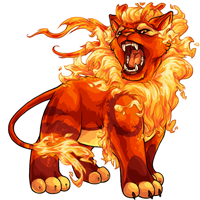
Bes
Little Lion God

Canopic
Gods of the Jars

Demon
Guardians of the Underworld

Geb
Goose of the Earth

Hapi
He of the Nile

Hat-Mehit
Fish Goddess
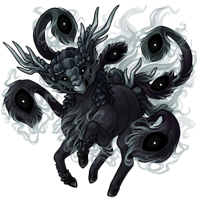
Heka
God of Magic

Heket
Frog Midwife

Horus
My husband, so noble and brave!
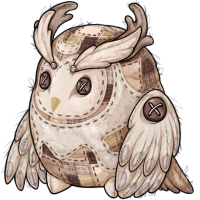
Ihy
Child of Music

Imhotep
The Man Who Became a God
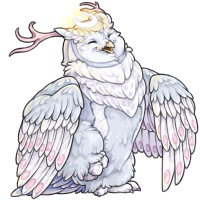
Isis
Great of Magic
Khonsu
Child of the Moon

Khepri
Scarab Who Pushes the Sun

Khnum
The Potter Ram
Maat
Truth and Justice

Maathes
Punisher of the Wicked

Mafdet
Executioner of the Gods

Mehet-Weret
The Great Flood

Meretseger
Lady of the Peak

Montu
God of War
Mut
Mother of the Gods

Nehebkau
The Good Snake

Neith
Mother of the Gods

Nefertem
God of Perfume

Nekhbet
Vulture Goddess

Nephthys
Mourner of the Dead

Nun
The Primordial Ocean

Nut
The Starry Sky

Osiris
God of the Underworld

Pakhet
The Lioness

Ptah
He Who Creates
Ra
Great Sun God
Renenutet
Cobra of Nourishment
Sah
The Star Orion
Satis
She Who Runs Like an Arrow

Sekhmet
My sister, my other side.

Selket
Scorpion Goddess

Seshet
The Scribe

Set
Great of Strength

Shesmu
Punisher of the Wicked

Shu
God of Air
Sokar
He of the Dark

Sobek
Crocodile of the Nile

Sopdet
Goddess of Sirius

Sopedu
The Summer Sun

Taweret
Hippo of Birth

Tefnut
She Who is the Dew
Thoth
The Ibis Scribe

Wadjet
Devouring Flame

Wepwawet
Jackal Guardian